

How to Style Garden Antiques and Vintage Garden Decor
How to Style Garden Antiques and Vintage Pieces Outdoors
A beautiful garden is not only about what you plant. The objects you place among the planting can be just as important, helping to give the space structure, atmosphere and a sense that it has evolved over time.
This is especially true in autumn, when the garden begins to soften, colours deepen and the light changes. Weathered stone, old terracotta, aged metal and reclaimed pieces can look particularly beautiful at this time of year, sitting naturally among fallen leaves, seed heads, fading borders and autumn planting.
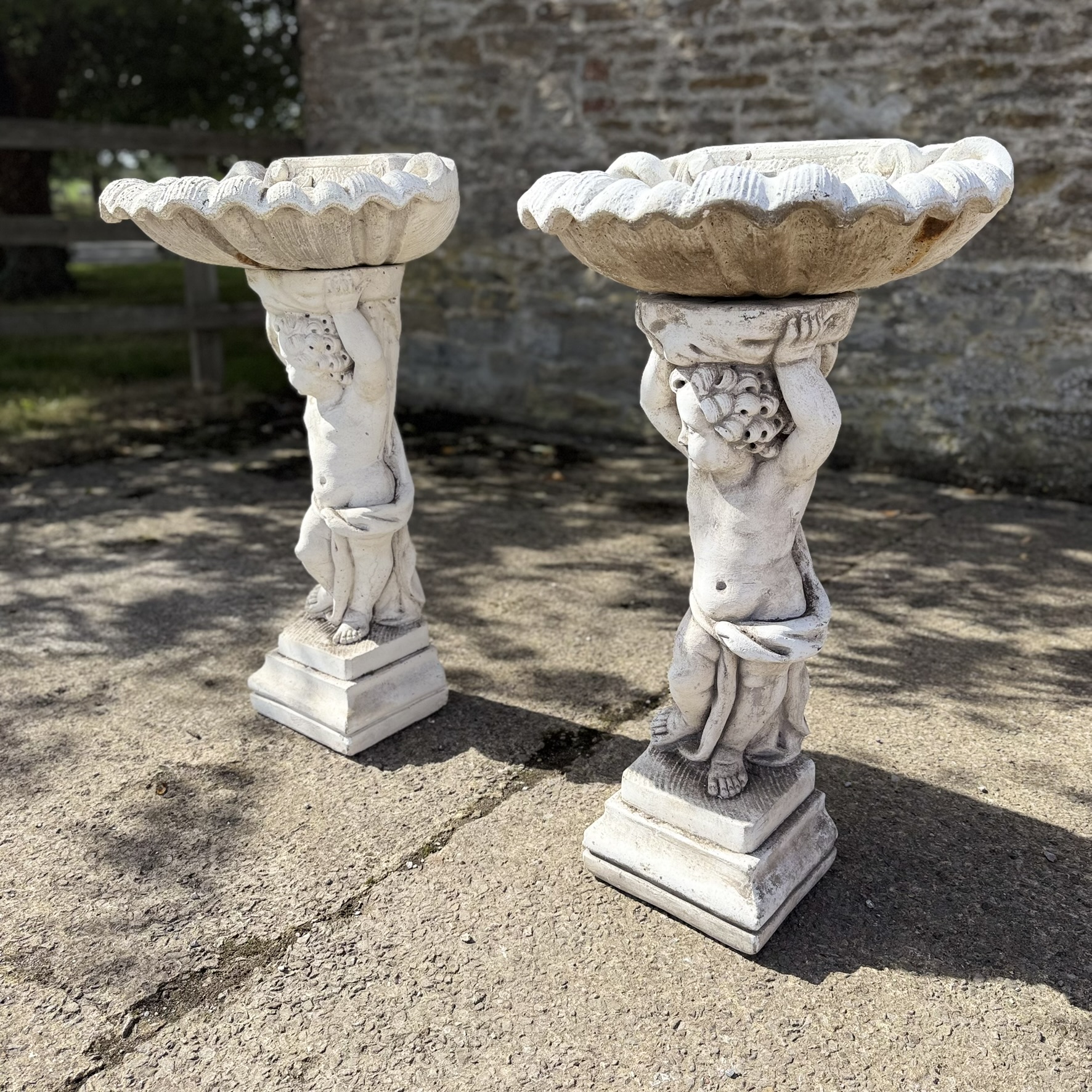
Antique and vintage garden pieces are particularly good at creating this sense of character. A weathered urn can turn a quiet corner into a focal point. An old trough can become a substantial planter. A piece of architectural salvage can add height against a wall, while vintage garden furniture can make an outdoor seating area feel established rather than newly assembled.
At The Past & The Curious, we are always drawn to garden pieces that have already acquired character through age and use. Often grouped under the term gardenalia, these can include planters, urns, troughs, statuary, architectural elements, metalwork, furniture and more unusual objects that find a completely new purpose outdoors.
The secret is not to fill a garden with antiques, but to choose pieces that look as though they belong there.
Start with one strong focal point
As with an interior, one good piece can have more impact than lots of smaller objects competing for attention.
A substantial antique planter, stone urn, old bench, sculptural object or piece of reclaimed architecture can give the eye somewhere to settle. Position it where it can be seen from the house, at the end of a path, against a garden wall or among planting where it will gradually become part of its surroundings.
This works particularly well in gardens that are still developing. Mature planting takes time, but a well-placed antique or vintage piece can give a new garden an immediate sense of permanence.
You do not need a grand country garden, either. In a courtyard, terrace or small autumnal garden, a single weathered planter or unusual piece of gardenalia can provide all the character the space needs.
Use antique planters and urns to add structure
Planters are one of the easiest ways to introduce garden antiques because they can be both decorative and useful.
Old terracotta pots, stone urns, cast iron planters, troughs and reclaimed containers can bring different heights, shapes and textures into a garden. Larger pieces can anchor entrances or patios, while smaller pots grouped together can soften steps, walls and seating areas.
In autumn, these pieces come into their own. A weathered urn filled with seasonal planting, grasses, ivy, cyclamen or small evergreens can bring warmth and interest to a doorway or terrace long after the summer flowers have faded. For practical planting advice, the RHS has a useful guide to growing plants in containers, which is particularly helpful when using pots and planters throughout the year.
There is no need for everything to match. In fact, a collection of planters often looks more interesting when the pieces have been gathered over time.
Try repeating one element instead. That might be similar planting, a shared colour palette or materials that sit comfortably together. A weathered stone planter and an old terracotta pot are very different objects, but their aged surfaces can give them a natural connection.
Let patina work in your favour
Outdoors is one place where signs of age can look especially at home.
Faded paint, verdigris copper, worn stone, old terracotta and gently weathered metal can sit beautifully among foliage because the surfaces are softer than something bright and factory new. Moss, lichen and natural weathering can also allow certain pieces to settle visually into a garden.
Autumn tends to emphasise these qualities. Damp stone, mellow metalwork and aged timber can look richer in softer light, helping the garden feel more atmospheric rather than simply tidy.
That does not mean condition should be ignored. There is a difference between attractive age and deterioration that threatens the structure of a piece.
Look closely at cracks, loose sections, unstable bases and heavily corroded metal before buying. If something is particularly old, valuable or delicate, think carefully about how exposed its position will be and whether it would benefit from protection during harsher weather. The RHS has helpful advice on protecting containers in winter, especially for pots and plants that may be more vulnerable to cold and wet conditions.
For older cast iron pieces, it is also worth understanding how outdoor metalwork behaves over time. Historic England has guidance on caring for outdoor cast iron, which is useful when thinking about corrosion, conservation and long-term care.
The aim is to enjoy the patina, not accelerate unnecessary damage.
Use architectural salvage in unexpected ways
Some of the most interesting garden pieces were never originally intended as garden ornaments.
Old shutters, window frames, gates, grilles, stone fragments, finials, industrial pieces and reclaimed building materials can all find new uses outdoors.
An antique gate can frame a view even if it does not actually lead anywhere. Old shutters can add texture to a plain wall. A piece of carved stone can become a focal point among planting. A reclaimed trough or industrial container might find an entirely new life as a planter.
These pieces are particularly useful in newer gardens, where fences, walls and patios can sometimes feel a little too clean. Introducing something with age breaks up those surfaces and gives the space a sense of history.
They also work beautifully in autumn, when the garden naturally becomes more textural. Salvaged stone, aged timber and old metal sit well alongside seed heads, bare branches, dried grasses and evergreen planting.
It is often the object that was made for one purpose and is now being used for another that becomes the most memorable piece in the garden.
Think about scale before you buy
Garden pieces can be surprisingly deceptive in size. Something that seems enormous indoors at an antiques centre or reclamation yard can suddenly look quite small once it is surrounded by trees, walls and planting.
Measure the space where you intend to put the piece, but also step back and consider how it will be viewed.
If an urn is going at the end of a long path, it needs enough presence to be noticed from a distance. A planter beside a large doorway needs to feel in proportion to the building. Conversely, an oversized piece can quickly dominate a compact courtyard.
Pairs can be particularly useful when you want to create symmetry around a doorway, entrance or flight of steps, while a single unusual piece often works better when you want something to feel more relaxed.
This is especially useful in autumn and winter, when planting can become lower and less full. A well-chosen antique piece can continue giving shape and interest to the garden even when the borders are quieter.
Mix practical pieces with decorative ones
Garden antiques do not have to be purely ornamental.
Vintage chairs and benches provide somewhere to sit. Troughs and pots hold plants. Old storage pieces can be useful around a potting area. Hooks, racks and reclaimed containers can organise tools while still adding character.
This mixture of usefulness and decoration helps a garden feel natural rather than overly styled.
It is also worth looking beyond an object’s original purpose. A vintage agricultural or industrial piece may make a wonderful planter. An old metal container could hold logs beneath a covered area. A small table that has seen better days indoors may be perfectly at home in a sheltered garden room.
In autumn, practical pieces can be especially useful. A vintage bench near the back door, an old table for pots and bulbs, or a reclaimed container for logs can make the garden feel used and enjoyed, rather than abandoned once summer ends.
Older objects often have more than one life in them.
Bring garden antiques closer to the house
Do not save gardenalia for the furthest corners of the garden.
Some of the most effective pieces are positioned close to the house, where the boundary between indoors and outdoors begins to blur. A collection of old planters beside French doors, a vintage chair in a covered porch or a sculptural piece visible through a kitchen window can connect the garden with the interior.
This is particularly effective in autumn, when we tend to spend more time looking out at the garden from inside. A well-placed urn, bench or architectural piece can give you something beautiful to look at from a kitchen, sitting room or hallway, even on colder days.
It also works well if you already decorate indoors with antiques and vintage furniture. Repeating aged materials such as old wood, stone, terracotta and metal outside creates continuity and makes the whole property feel more considered.
Conservatories, boot rooms and covered terraces are also useful halfway spaces for pieces that have a garden feel but may be better protected from the weather.
Do not make the garden too perfect
One of the great advantages of decorating with vintage and antique pieces is that they remove some of the pressure for everything to look immaculate.
Gardens change constantly. Plants grow, pots weather, surfaces mellow and objects move from one place to another. Antique garden pieces suit that process because they already have a history.
Allow a plant to spill over the edge of an old pot. Let a weathered object sit partly among the foliage rather than displaying it as though it were in a showroom. Move things around as the planting changes and discover which pieces look best at different times of year.
This is one of the reasons antique and vintage pieces suit autumn gardens so well. A garden at this time of year does not need to look polished. It can be a little softer, a little wilder and much more atmospheric.
A garden that has been allowed to develop gradually will usually feel more interesting than one where every element arrived at the same time.
Buy pieces you will enjoy discovering every day
The best garden antiques are often the ones that make you look twice.
It might be an unusual shape glimpsed through planting, a beautiful surface that becomes more interesting after rain or an object whose original purpose is not immediately obvious.
These pieces give a garden personality. They create talking points and small moments of interest that cannot easily be achieved by buying a matching set of new outdoor accessories.
Because genuine antique and vintage garden pieces are rarely identical, they also allow you to create a space that feels entirely your own.
Find garden antiques with character
At The Past & The Curious, our Gardenalia collection brings together antique, vintage, reclaimed and decorative pieces chosen for their character, age and potential to find a new life outdoors.
From planters, urns and architectural pieces to unusual salvaged objects and garden furniture, the collection changes regularly as new pieces are discovered.
Whether you have a large country garden, a courtyard, a terrace or simply a corner that needs something interesting, the right antique piece can make an outdoor space feel as individual and collected as the rooms inside your home.
Browse our latest garden antiques and vintage garden decor online, explore our decorative antiques, or make an appointment to view one-off pieces in person.





